
Elevators are essential components of modern buildings, transporting passengers, equipment, and materials between different floors. As property owners place greater emphasis on cleanliness and facility management, the selection of elevator cabin materials has become an important design consideration.
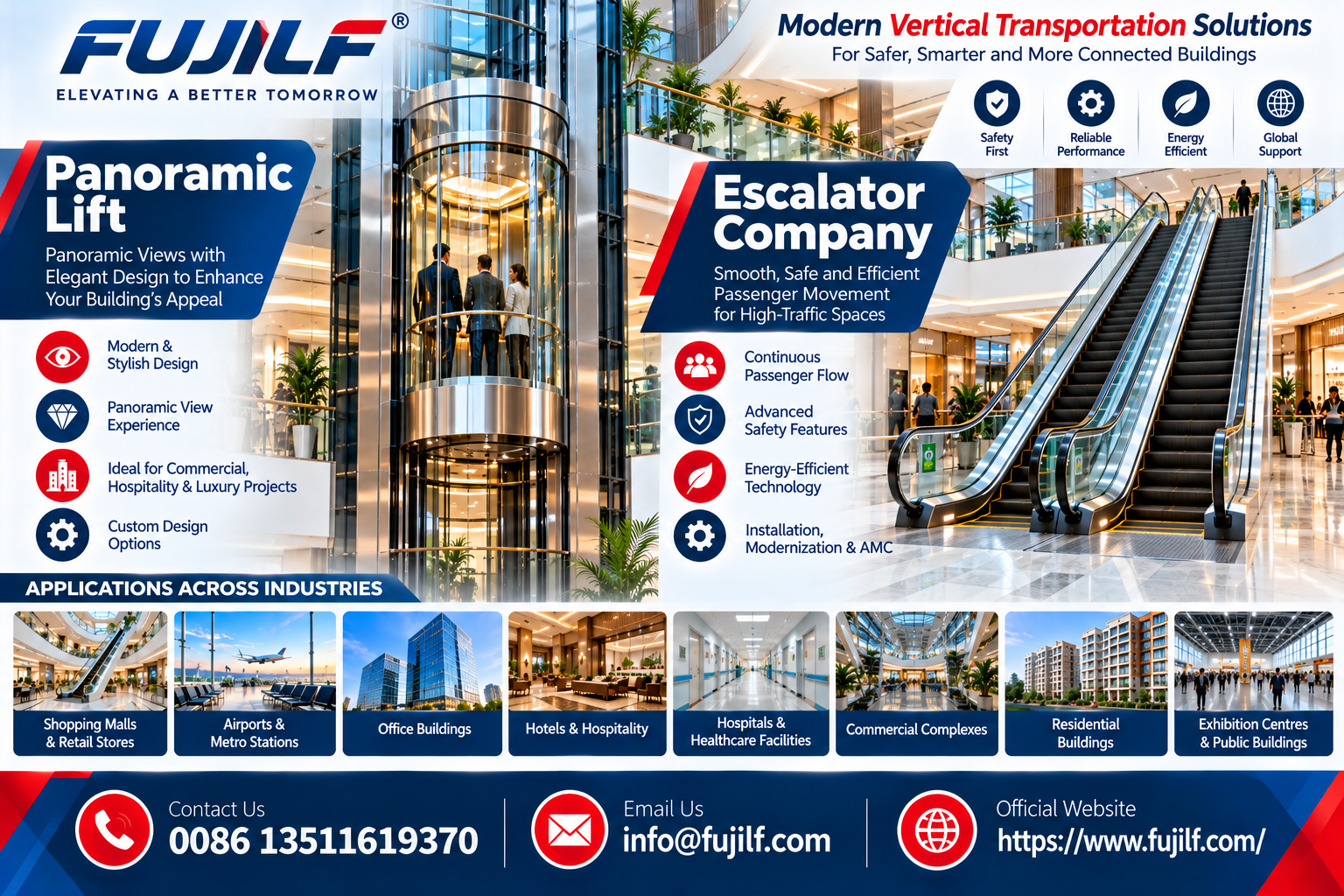
A panoramic lift combines vertical transportation with transparent architectural features, creating an open and visually appealing passenger experience.
Meanwhile, a bed elevator serves specialized healthcare transportation requirements, accommodating patients, hospital beds, stretchers, and authorized medical personnel.
Although their applications differ, both systems benefit from durable materials, accessible cleaning arrangements, and appropriate maintenance procedures.
Developers evaluating fuji lift equipment should consider these practical requirements alongside capacity, technical specifications, and architectural appearance.
Why Elevator Surface Design Matters
Elevator cabins contain frequently contacted surfaces, including operating panels, handrails, door interfaces, and cabin walls.
In buildings with substantial passenger activity, these surfaces require suitable cleaning and maintenance.
Material selection can influence how easily facility personnel perform routine cleaning without damaging decorative finishes or technical components.
Important considerations include:
- Surface durability: Selecting finishes suitable for intended operating conditions.
- Cleaning compatibility: Using materials compatible with approved cleaning products.
- Accessible surfaces: Reducing unnecessary areas where dirt can accumulate.
- Control protection: Preventing cleaning procedures from damaging electrical equipment.
- Maintenance requirements: Ensuring surfaces remain practical to inspect and service.
A building design principle explains:
The objective is to make routine upkeep practical while preserving equipment safety and appearance.
Panoramic Lift Designs Require Careful Glazing Maintenance
A panoramic lift is commonly selected for hotels, shopping centres, premium offices, and other architecturally distinctive properties.
Its transparent cabin surfaces help create visual connections with surrounding spaces.
However, glass panels can display fingerprints, dust, and other visible marks, making cleaning an important part of appearance management.
Glazing should be cleaned using products and procedures suitable for the approved materials.
Cleaning personnel must avoid damaging seals, protective coatings, mounting components, or nearby electrical systems.
Facility managers should also distinguish between routine surface cleaning and technical inspection.
Structural glazing, supporting frames, and related safety components require assessment by qualified professionals according to applicable maintenance instructions.
Bed Elevator Hygiene Supports Healthcare Operations
Healthcare facilities have specialized environmental and operational requirements.
A bed elevator may transport patients between wards, diagnostic departments, treatment areas, and other approved hospital locations.
Because these elevators accommodate medical beds and accompanying personnel, their interior configuration should support the facility’s infection prevention and cleaning procedures.
Hospital planners may consider smooth, durable cabin finishes and suitable arrangements around handrails, controls, and flooring.
Cleaning requirements should be established through the healthcare facility’s infection prevention policies.
Elevator cabins should not be assumed sterile simply because they contain materials marketed as antimicrobial.
A relevant healthcare infrastructure observation states:
This distinction encourages practical, evidence-based facility management.
Choosing Cabin Materials for Different Environments
Aesthetic requirements and cleaning conditions can differ significantly between buildings.
Hospital elevators may require finishes selected for durability and compatibility with approved cleaning methods.
Commercial panoramic systems may prioritize transparent panels, attractive metalwork, and visually consistent cabin interiors.
Common material considerations include stainless steel finishes, approved safety glazing, durable flooring, and appropriately protected control panels.
However, not every material is suitable for every elevator configuration.
Chemical compatibility, structural requirements, fire-safety provisions, and manufacturer specifications must guide selection.
The preferred material should perform its intended function without compromising safety or serviceability.
Touchpoints and Passenger Controls Need Practical Design
Operating panels are essential parts of elevator cabins and landing areas.
Their placement should support accessibility, ease of use, and appropriate cleaning.
Depending on the equipment design, controls may include physical buttons, digital displays, or specialized destination-selection interfaces.
Any cleaning or contact-reduction technology must remain compatible with the approved control system.
For healthcare applications, facility operators should ensure that cleaning procedures do not interfere with required operating functions.
Likewise, accessibility should not be sacrificed merely to reduce the number of physical contact points.
Clear controls remain important for passengers with different needs.
Separating Routine Cleaning From Technical Maintenance
Routine cleaning and elevator maintenance are related but distinct responsibilities.
Cleaning personnel may be responsible for approved surface cleaning, while qualified technicians assess mechanical, electrical, and safety components.
A panoramic lift may require additional attention to visible glazing and decorative finishes.
A hospital bed elevator may require cleaning procedures aligned with the healthcare facility’s operational policies.
Technical maintenance should include appropriate inspection of doors, controls, lifting mechanisms, and protective devices.
Building managers should provide clear instructions identifying which activities can be completed by cleaning staff and which require authorized technical personnel.
Evaluating Fuji Lift Options for Facility Requirements
Organizations researching fuji lift solutions should verify the actual manufacturer, product model, and documented equipment capabilities.
A product name alone does not establish material quality, hygiene suitability, or compliance.
A structured procurement assessment should address:
- Cabin configuration: Confirm dimensions and intended passenger or patient requirements.
- Material specifications: Review approved glazing, flooring, and wall finishes.
- Cleaning guidance: Check manufacturer recommendations for surface care.
- Safety compliance: Verify applicable technical requirements and approvals.
- Service support: Assess maintenance access and replacement component availability.
Healthcare facilities should also involve relevant clinical and infection prevention personnel when evaluating cabin finishes.
This helps align equipment selection with the building’s actual operational needs.
Industry Outlook: Practical Design Supports Responsible Facility Management
Elevator design increasingly benefits from cooperation between architects, facility managers, technical specialists, and building operators.
Transparent elevators require attention to visual presentation and appropriate glazing care.
Hospital lifting systems must accommodate specialized transportation while supporting healthcare cleaning procedures.
In both environments, material selection should reflect practical operating conditions rather than appearance alone.
Developers who consider cleanliness, durability, accessibility, and maintenance requirements during planning can make more informed equipment decisions.
Frequently Asked Questions (FAQs)
1. What is a panoramic lift?
A panoramic lift is an elevator featuring transparent or partially transparent panels that provide views of surrounding architectural spaces while transporting passengers between floors.
2. Why is a bed elevator important in hospitals?
A bed elevator accommodates designated hospital beds, stretchers, patients, and authorized healthcare personnel, supporting transportation between different medical departments.
3. Are glass elevators difficult to maintain?
Glass elevators require suitable cleaning and professional technical maintenance. Their upkeep depends on glazing specifications, installation conditions, approved cleaning products, and equipment design.
4. What should buyers check before purchasing a fuji lift?
Buyers should confirm manufacturer identity, rated capacity, cabin specifications, safety documentation, material suitability, and authorized maintenance arrangements.
5. Can elevator cabin materials help support hygiene?
Yes. Appropriately selected, easy-to-clean materials can support facility hygiene procedures. However, effective cleanliness also depends on appropriate cleaning practices and maintenance.
Media Contact
Department: Business Enquiries & Vertical Transportation Solutions
Industry: Panoramic Elevators, Hospital Bed Elevators & Lifting Equipment
Contact: 008613511619370
Email: info@fujilf.com
Official Website: https://www.fujilf.com/