
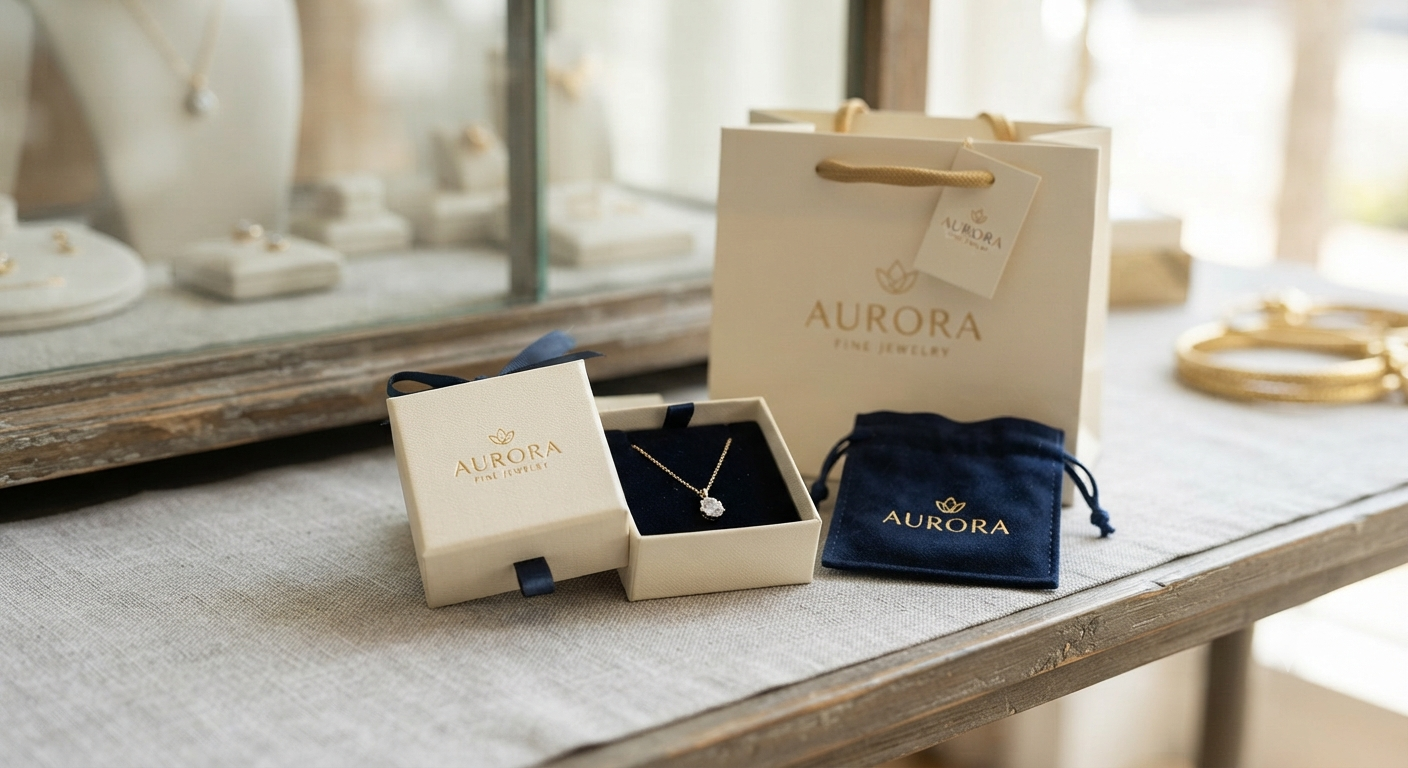
A piece of jewelry can carry significant emotional and financial value, but the experience of receiving it begins before the jewelry is actually worn. The box, pouch, wrapping, insert, and presentation all contribute to the moment. This simple observation explains why the jewelry industry has gradually moved from ordinary protective containers toward highly considered packaging solutions.
Today, custom jewelry packaging and luxury jewelry packaging are no longer limited to protecting rings, necklaces, earrings, and bracelets. They have become tools for brand communication, product differentiation, gifting, customer engagement, and premium positioning.
The transformation did not happen overnight. It is the result of changing retail practices, evolving consumer expectations, technological development, and a growing understanding of the relationship between packaging and perceived value.
From Practical Containers to Crafted Presentation
Historically, jewelry needed reliable protection because individual pieces were often delicate and valuable. Small wooden cases, fabric pouches, leather containers, and metal boxes offered practical protection during storage and transportation.
In many traditional jewelry markets, these containers were handmade and sometimes beautifully decorated. Their craftsmanship reflected the cultural importance of jewelry, particularly for weddings, ceremonies, and important family occasions.
Yet the packaging generally had one central responsibility: keep the jewelry safe.
Modern packaging has inherited this protective role but added several new responsibilities.
A jewelry package today may need to protect a product during international shipping, communicate a company’s identity, create an impressive unboxing moment, support gifting, and provide information to the customer.
The Development of Custom Jewelry Packaging
The emergence of branded retail changed the relationship between jewelry and packaging.
As more jewelry companies entered competitive markets, businesses needed ways to become recognizable. Packaging offered an opportunity to create visual consistency.
This led to the development of custom jewelry packaging, where the package is designed around the brand rather than selected as a generic container.
Customization can involve almost every part of the package, including:
- Overall structure and dimensions
- Exterior materials
- Brand colors
- Logo placement
- Interior compartments
- Product-specific inserts
- Fabric and velvet lining
- Closure systems
- Printed messages
- Embossing and foil finishes
This approach is particularly valuable when a jewelry collection includes different types of products. Packaging can be engineered around each piece while maintaining a consistent brand appearance.
Luxury Packaging Changes the Meaning of Opening a Box
In the luxury jewelry sector, packaging has developed into an experience of its own.
Luxury jewelry packaging is carefully designed to influence the customer’s perception before the product is fully revealed. The weight of the box, texture of the exterior, quality of the interior, precision of the insert, and opening mechanism can all contribute to the experience.
The objective is not simply to make the package expensive. It is to make every detail feel deliberate.
For this reason, premium packaging often emphasizes:
- High-quality rigid construction
- Refined specialty papers
- Carefully selected interior fabrics
- Precise product positioning
- Magnetic or engineered closures
- Embossed or debossed branding
- Subtle metallic finishing
- Clean, sophisticated design
Modern luxury is increasingly associated with restraint. A carefully designed package can appear more premium when it avoids unnecessary decoration.
Why the Online Market Changed Everything
The growth of e-commerce has made packaging particularly important for jewelry brands.
A customer visiting a jewelry store experiences many physical elements before purchasing: the showroom, displays, lighting, sales staff, and product presentation.
An online customer skips this entire process.
Their first physical encounter with the brand may happen when they open the delivery package.
That moment has become valuable.
A thoughtfully designed package can turn an ordinary delivery into an experience. It can make a gift feel more special, reinforce brand recognition, and encourage customers to photograph or record the unboxing.
For online jewelry businesses, packaging can therefore function as both a customer-experience tool and a marketing asset.
Sustainability Is Redefining Modern Packaging
The packaging conversation is no longer limited to appearance and protection. Environmental impact is becoming increasingly relevant.
Excessive plastic, oversized boxes, and unnecessary packaging components are facing greater scrutiny. Jewelry brands are therefore exploring materials and structures that reduce waste without compromising presentation.
Possible approaches include recycled paperboard, recyclable papers, biodegradable materials, reusable fabric components, and packaging designed for multiple uses.
The concept of reuse is particularly interesting for jewelry packaging. Instead of treating a box as disposable, designers can create cases that customers continue using to organize or transport jewelry.
This can give the package a longer functional life while strengthening the relationship between customer and brand.
The Next Generation of Custom Packaging
The future of custom jewelry packaging will likely be shaped by personalization and smarter functionality.
Brands may create different packaging experiences for different purchasing occasions. A wedding collection could have a different presentation from an everyday jewelry line. Limited editions could feature exclusive packaging, while gifting orders could include personalized messages.
Technology could add another dimension.
A QR code or NFC element incorporated discreetly into packaging could provide access to product information, authenticity verification, warranty registration, care instructions, or digital brand content.
This creates a connection between the physical and digital sides of the customer experience.
Luxury Packaging Could Become More Sustainable and Useful
The future of luxury jewelry packaging may be defined by the idea of lasting value.
A premium package that is thrown away after one use creates a very different impression from a beautifully engineered case that customers keep for years.
Reusable jewelry organizers, travel cases, and keepsake boxes could become increasingly important. These formats allow luxury packaging to remain useful long after the initial purchase.
At the same time, premium brands may continue moving toward minimalist aesthetics, using texture, craftsmanship, proportion, and material quality instead of excessive embellishment.
What the Evolution Tells Us
The history of jewelry packaging can be understood as a progression in purpose:
| Era | Packaging Role | Main Priority |
| Early period | Container | Protection |
| Retail expansion | Brand carrier | Recognition |
| Modern market | Experience creator | Presentation |
| Future market | Brand ecosystem | Sustainability and connection |
This progression demonstrates that packaging is becoming increasingly integrated into the product experience.
Frequently Asked Questions
What is the purpose of custom jewelry packaging?
Its purpose is to protect jewelry while providing a packaging experience that reflects the brand’s identity, products, and customer expectations.
What makes luxury jewelry packaging premium?
Premium materials, precise construction, sophisticated interiors, refined finishing, and attention to small details can create a luxury presentation.
Is custom packaging useful for online jewelry stores?
Yes. It can make the delivery experience more memorable and help compensate for the lack of physical interaction before purchase.
Can packaging be designed for specific jewelry?
Yes. Inserts and compartments can be customized for rings, necklaces, bracelets, earrings, watches, and other products.
Is sustainable packaging suitable for luxury brands?
Yes. Responsible materials and reusable structures can be combined with sophisticated design and premium finishing.
Can packaging improve brand recognition?
Consistent colors, logos, typography, structures, and materials can make packaging easier for customers to associate with a particular brand.
Why are inserts important?
Inserts keep jewelry positioned correctly and can reduce movement, friction, and potential damage during transportation.
Can customers reuse jewelry boxes?
Yes. Boxes can be designed as jewelry organizers, travel cases, or keepsake containers.
How can technology improve packaging?
Digital features can provide authentication, product information, care instructions, certificates, and direct access to brand services.
What will future jewelry packaging prioritize?
Future packaging is likely to balance protection, personalization, sustainability, premium presentation, reusability, and digital connectivity.