
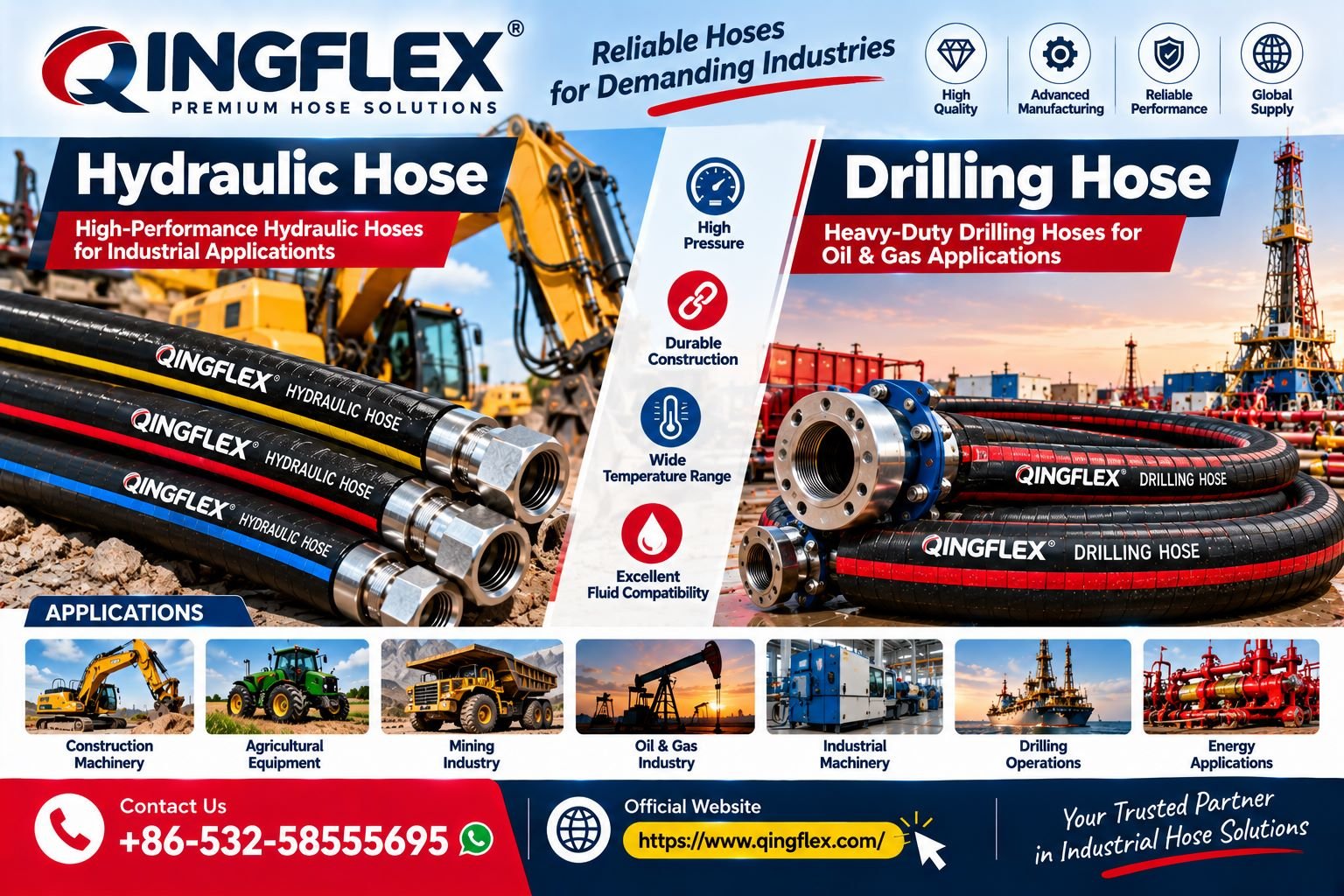
While productivity remains an essential objective, preventing fluid leakage and reducing environmental exposure are equally important considerations.
A Hydraulic Hose plays a critical role in transferring hydraulic fluid between machinery components. When properly selected, installed, and maintained, it supports efficient power transmission while helping keep fluids contained within the intended system.
Similarly, a specialized drilling hose is used in certain drilling applications to transport drilling fluids under specified operating conditions.
Damage to either type of hose can result in fluid leakage, equipment interruptions, and potential contamination of surrounding areas.
These concerns highlight the importance of treating industrial hoses as essential components of responsible equipment management.
Why Fluid Containment Matters in Drilling Environments
Drilling operations frequently involve fluids with different chemical and physical properties. Depending on the application, these materials may contain oils, additives, suspended solids, or other substances requiring controlled handling.
Unexpected fluid releases can create several operational challenges.
Leaked materials may affect work surfaces, increase slipping hazards, require cleanup, or reach surrounding soil and drainage systems.
The environmental consequences depend on the fluid composition, quantity released, and location of the incident.
A suitable Hydraulic Hose helps maintain fluid containment when operating within its specified limits.
However, effective leakage prevention also depends on compatible fittings, appropriate routing, pressure control, and regular inspection.
An important engineering principle explains:
This approach emphasizes prevention rather than relying exclusively on cleanup after equipment failure.
Understanding Leakage Risks in Drilling Hose Applications
A drilling hose can experience demanding conditions involving vibration, mechanical movement, pressure fluctuations, and contact with surrounding equipment.
These factors may contribute to wear when installation or operating conditions exceed the assembly’s specifications.
Common factors associated with hose leakage include:
- Mechanical abrasion: Repeated contact with equipment surfaces can damage protective coverings.
- Excessive bending: Operating below the recommended bend radius can introduce structural stress.
- Connection problems: Incompatible or damaged fittings may compromise connection integrity.
- Pressure exposure: Conditions exceeding the approved limits can damage the assembly.
- Material deterioration: Unsuitable fluid chemistry or environmental exposure may affect hose construction.
Understanding these risks allows engineering teams to develop appropriate inspection and prevention strategies.
It is also important to distinguish between hydraulic power hoses and hoses designed for specialized drilling-fluid transfer. Their intended applications and technical requirements may differ significantly.
Hydraulic Hose Design Supports Responsible Fluid Handling
Industrial hose assemblies combine several structural components, each contributing to overall performance.
Inner Tube Construction
The inner tube provides the primary contact surface for transferred fluids.
Its material must be suitable for the specific fluid composition and operating conditions.
Incompatible materials may deteriorate and increase the possibility of leakage.
Reinforcement Layers
Reinforcement provides structural strength and supports the hose’s specified pressure capability.
The reinforcement design depends on the intended application and product construction.
Outer Protective Cover
The outer cover helps protect internal components against specified external conditions.
Depending on the application, it may provide resistance to abrasion, weather exposure, or contact with certain industrial substances.
Secure End Connections
Connections are essential to maintaining fluid containment.
Properly matched fittings and approved assembly procedures help ensure the hose operates as intended.
These elements must function together. A strong outer cover cannot compensate for an unsuitable inner tube or improperly assembled fitting.
Preventive Inspection Helps Identify Potential Leaks
Effective fluid containment requires more than appropriate equipment selection.
Industrial operators should establish inspection practices suited to the hose application and operating conditions.
Inspection activities may involve checking for visible leaks, surface deterioration, unusual deformation, damaged fittings, and signs of excessive mechanical stress.
Maintenance teams should also review hose positioning and surrounding equipment conditions.
A useful operational principle states:
Suspected damaged assemblies should be isolated and assessed according to approved safety procedures.
Personnel should never use their hands to locate leaks in pressurized hoses. High-pressure fluid injection injuries can occur even when a leak appears small.
Proper inspection procedures contribute to safer equipment management and can help reduce preventable fluid releases.
Spill Containment Planning Strengthens Environmental Protection
Even well-maintained equipment cannot eliminate every possibility of a fluid release.
For this reason, industrial facilities should consider appropriate containment and response measures.
Depending on the site and applicable requirements, these measures may include designated drainage controls, suitable containment equipment, spill-response materials, and established reporting procedures.
Personnel should understand how to respond to a suspected hose failure without exposing themselves to pressurized fluid hazards.
A responsible response prioritizes personnel safety, controlled equipment shutdown, and appropriate containment by trained staff.
Containment arrangements should reflect the properties of the fluids being handled and the potential environmental risks.
Choosing Hose Products for Responsible Operations
Selecting industrial hoses requires accurate information about the intended service.
Buyers should evaluate several technical and operational factors before purchasing.
- Fluid compatibility: Confirm that hose materials are suitable for the transferred medium.
- Pressure requirements: Verify documented working pressure limits and system compatibility.
- Mechanical conditions: Consider movement, vibration, bending, and abrasion exposure.
- Connection suitability: Ensure fittings meet the application’s requirements.
- Technical documentation: Review product limitations, installation guidance, and relevant specifications.
A suitable drilling hose should be selected according to its intended service rather than general appearance or product descriptions alone.
Clear communication between engineering teams and suppliers can support more accurate product selection.
Environmental Performance and Equipment Reliability Work Together
Fluid containment and equipment reliability are closely connected.
A hose failure can affect machinery operation while creating additional cleanup and environmental management requirements.
Preventive maintenance, suitable component selection, and responsible handling practices can help organizations manage these interconnected risks.
Businesses should also consider how worn or damaged hose assemblies are collected and disposed of.
Depending on their materials and contamination, used hoses may require specialized handling under applicable waste-management requirements.
Responsible disposal complements preventive maintenance by addressing the complete equipment lifecycle.
Industry Outlook: A Broader Approach to Hose Performance
Industrial hose evaluation increasingly benefits from considering environmental risk alongside mechanical performance.
Pressure capability, material construction, connection security, and installation requirements remain essential technical factors.
However, fluid containment, safe maintenance, and responsible disposal also influence the overall suitability of hose solutions.
For drilling operators, the objective is to establish fluid-transfer systems that support operational performance while reducing avoidable environmental exposure.
Frequently Asked Questions (FAQs)
1. How does a Hydraulic Hose help prevent fluid leakage?
A Hydraulic Hose contains and transfers hydraulic fluid within its specified operating limits. Appropriate material selection, secure connections, correct installation, and regular inspection help reduce leakage risks.
2. What is a drilling hose used for?
A drilling hose transfers specified fluids in drilling equipment. Depending on its design, it may serve specialized drilling-fluid applications requiring suitable pressure resistance and mechanical flexibility.
3. What are common causes of industrial hose leakage?
Common causes include abrasion, excessive pressure, incompatible fluids, damaged fittings, improper routing, and material deterioration.
4. Can hose maintenance reduce environmental risks?
Yes. Appropriate inspection and maintenance can help identify potential problems and reduce preventable fluid releases. These practices should be combined with suitable containment and safety procedures.
5. How should damaged industrial hoses be handled?
Damaged hoses should be removed from service using approved procedures and assessed by qualified personnel. Disposal or recycling should follow applicable regulations and material-handling requirements.
Media Contact
Department: Media Relations & Industrial Product Enquiries
Industry: Industrial Hose Manufacturing and Fluid Transfer Solutions
Contact: +86-532-58555695
Email: info@qingflex.com
Official Website: https://www.qingflex.com/