
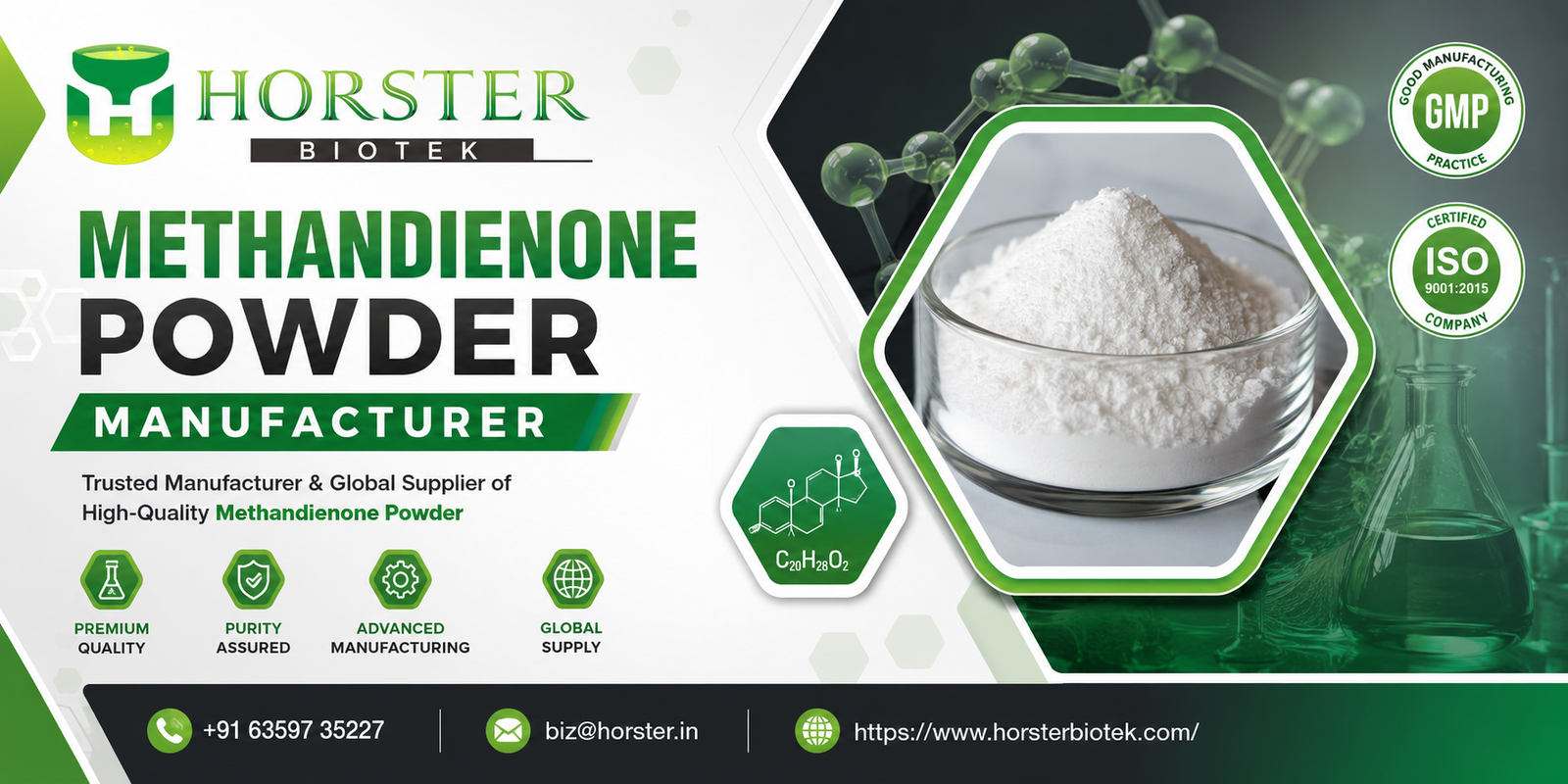
Methandienone powder is a synthetic anabolic-androgenic steroid compound that has been studied for its pharmacological properties and historical pharmaceutical applications. Because materials in this category require careful handling, organizations sourcing methandienone powder should place strong emphasis on documentation, analytical testing, quality systems, and compliance with applicable regulations.
For laboratories, pharmaceutical researchers, and qualified manufacturing organizations, selecting an appropriate Methandienone Powder Manufacturer involves more than comparing product specifications or price. Reliable sourcing requires a systematic evaluation of material identity, purity, consistency, traceability, packaging, and supporting documentation.
Understanding Methandienone Powder
Methandienone, also known as methandrostenolone, is an androgenic-anabolic steroid that has been used historically in pharmaceutical contexts. Today, access, possession, manufacture, and distribution of this type of compound may be restricted depending on the jurisdiction and intended application.
For legitimate research and pharmaceutical work, organizations should establish the intended use before purchasing and confirm that all procurement activities comply with local laws, institutional policies, and applicable regulatory requirements.
What Makes a Reliable Manufacturer?
A dependable supplier should be able to demonstrate a structured approach to quality assurance. Before entering into a supply agreement, buyers can evaluate several important factors.
1. Product Identification
Clear identification is fundamental when purchasing chemical or pharmaceutical research materials. Documentation should provide relevant information about the compound, batch identification, specifications, and applicable analytical methods.
2. Analytical Testing
Independent or manufacturer-provided testing can help verify material characteristics. Depending on the intended application, analytical documentation may address identity, purity, residual solvents, moisture, and other relevant parameters.
Common analytical techniques used for pharmaceutical and chemical materials may include chromatography and spectroscopy. The appropriate testing program depends on the material specification and intended use.
3. Batch Traceability
Traceability allows organizations to connect a supplied material with its manufacturing and quality-control records. A suitable supplier should maintain identifiable batch information and appropriate documentation throughout the supply chain.
4. Quality Documentation
Professional procurement teams should request appropriate quality documents before approving a supplier. Depending on the project and jurisdiction, these may include a Certificate of Analysis, specification sheet, safety documentation, and batch-related records.
Why Quality Control Matters
Consistency is particularly important for research and pharmaceutical manufacturing environments. Variations in raw-material quality can affect analytical results, formulation development, process validation, and downstream testing.
A robust quality-control approach can include:
- Raw-material assessment
- Identity verification
- Batch testing
- Analytical documentation
- Controlled packaging
- Proper labeling
- Storage recommendations
- Supply-chain traceability
These measures help organizations maintain reproducibility and support responsible research practices.
Evaluating Bulk Supply Requirements
Bulk procurement should be approached as a quality and compliance decision rather than simply a volume purchase. Before placing an order, organizations should consider material specifications, required documentation, packaging requirements, storage conditions, shipping regulations, and applicable import or export controls.
A supplier should also communicate clearly about available batch documentation and quality procedures. For regulated materials, buyers should verify that the proposed transaction is legally permissible in both the exporting and receiving jurisdictions.
Pharmaceutical and Research Considerations
Researchers working with methandienone-related materials should follow institutional safety procedures and applicable laboratory regulations. Handling should be performed only by appropriately trained personnel using suitable facilities and controls.
For pharmaceutical development, additional requirements may apply depending on whether the material is intended for analytical research, formulation development, manufacturing, or another regulated purpose. Organizations should establish their quality requirements before sourcing begins.
How to Choose a Methandienone Powder Manufacturer
A practical supplier-evaluation checklist can include:
- Verify company information: Confirm the supplier’s business identity and relevant operating credentials.
- Review specifications: Ensure the material specification matches the project’s analytical requirements.
- Request quality documents: Examine available Certificates of Analysis and other relevant documentation.
- Assess testing capabilities: Determine whether appropriate analytical testing is performed.
- Check traceability: Confirm that individual batches can be identified and documented.
- Review packaging: Make sure packaging and labeling are appropriate for the material.
- Confirm legal requirements: Check regulations governing procurement, transportation, importation, and use.
- Evaluate communication: Choose suppliers that provide clear and consistent technical information.
The Role of HorsterBiotek
For organizations researching potential raw-material suppliers, HorsterBiotek can be considered as a source to evaluate alongside other qualified providers. Buyers should independently verify specifications, documentation, regulatory suitability, and quality requirements before proceeding with any procurement decision.
Frequently Asked Questions
What is methandienone powder?
Methandienone powder is a powdered form of methandienone, a synthetic anabolic-androgenic steroid compound historically associated with pharmaceutical use.
What should buyers look for in a manufacturer?
Important considerations include material identity, analytical testing, batch traceability, documentation, packaging, quality systems, and regulatory compliance.
Why is a Certificate of Analysis important?
A Certificate of Analysis provides batch-specific analytical information that can help organizations assess whether supplied material meets established specifications.
Is methandienone regulated?
Regulatory status varies by country and jurisdiction. Organizations should verify current local requirements before purchasing, importing, possessing, or using the compound.
Why does batch traceability matter?
Batch traceability helps organizations connect a material with its manufacturing and quality-control records, supporting reproducibility and accountability.
What documentation should professional buyers request?
Depending on the application, buyers may request specifications, analytical results, safety documentation, batch information, and other quality records.
Is bulk purchasing appropriate for every organization?
No. Bulk procurement should be based on legitimate requirements, appropriate facilities, qualified personnel, and compliance with applicable laws and institutional policies.
How can research organizations evaluate supplier quality?
They can compare documentation, analytical procedures, traceability systems, quality controls, business credentials, and regulatory suitability before selecting a supplier.
Conclusion
Selecting a reliable Methandienone Powder Manufacturer requires careful consideration of quality, documentation, traceability, analytical testing, and regulatory compliance. For legitimate research and pharmaceutical applications, organizations should establish clear material specifications and conduct appropriate supplier due diligence before procurement. A quality-focused sourcing process supports consistency, accountability, and responsible handling throughout the supply chain.