
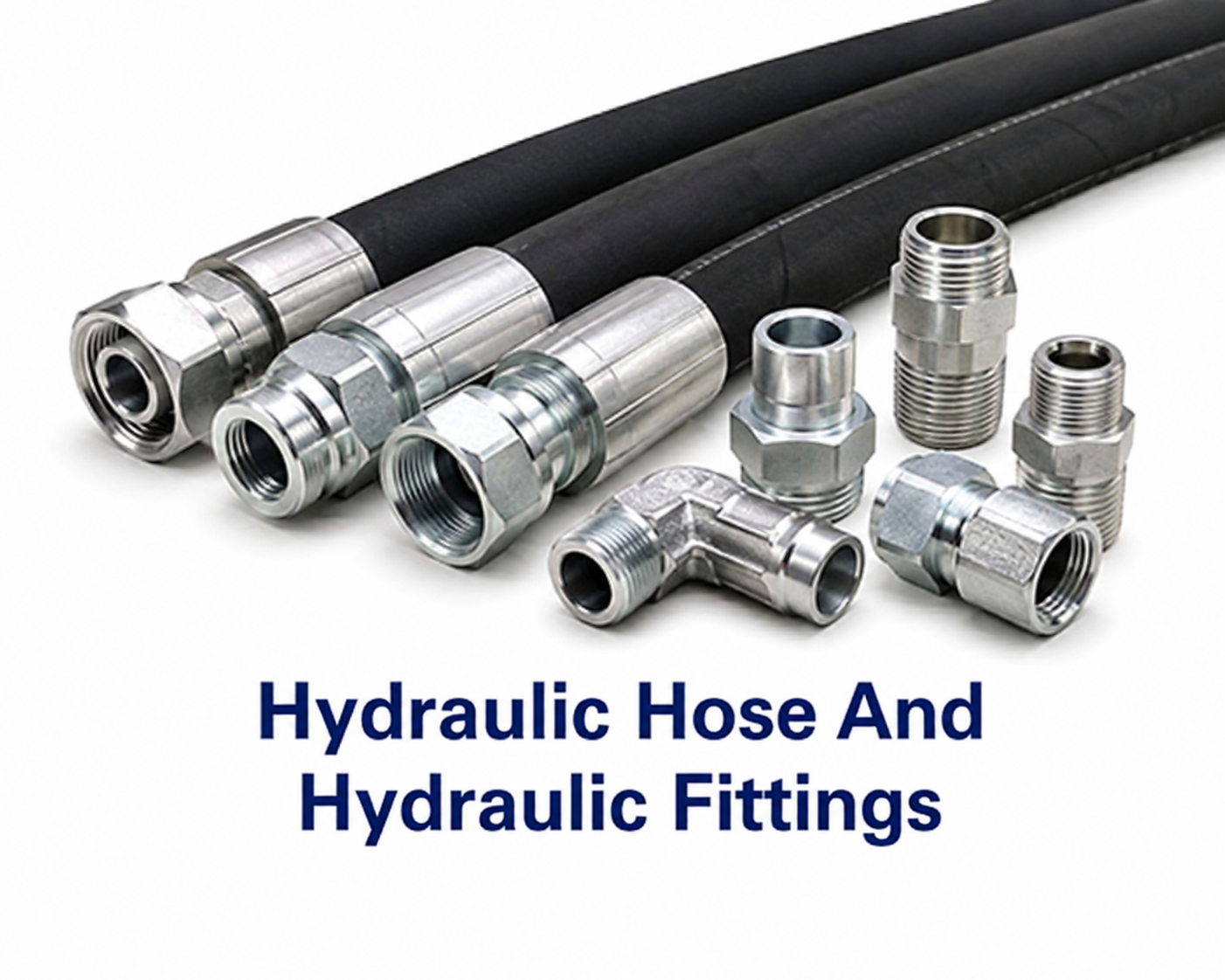
Hydraulic systems are widely used in industries where power, precision, and reliability are essential. From construction equipment and manufacturing machinery to agricultural vehicles and automotive applications, hydraulic components help transfer power efficiently. Among the most important parts of these systems are Hydraulic Hose And Hydraulic Fittings, which ensure smooth fluid transmission and secure connections.
A properly selected hydraulic hose combined with the right fittings improves equipment performance, reduces downtime, and enhances operational safety. Understanding their types, applications, and maintenance requirements helps industries build efficient and long-lasting hydraulic systems.
Understanding Hydraulic Hose And Hydraulic Fittings
A hydraulic system uses pressurized fluid to generate mechanical movement. The Hydraulic Hose And Hydraulic Fittings work together to transport hydraulic fluid between different components such as pumps, valves, cylinders, and motors.
Hydraulic hoses are flexible tubes designed to handle high-pressure fluid flow, while hydraulic fittings provide strong and leak-resistant connections between hoses and system components.
These components must withstand:
- High pressure conditions
- Extreme temperatures
- Mechanical stress
- Chemical exposure
- Continuous movement and vibration
Choosing the correct combination of hose and fittings is essential for maintaining hydraulic system reliability.
Importance of Hydraulic Hose And Hydraulic Fittings
The performance of any hydraulic machine depends heavily on the quality of its connection systems. Poor-quality hoses or incorrect fittings can result in fluid leakage, pressure loss, equipment failure, and safety risks.
High-quality Hydraulic Hose And Hydraulic Fittings provide several advantages:
- Improved hydraulic efficiency
- Reduced maintenance costs
- Better pressure handling capability
- Increased equipment lifespan
- Enhanced workplace safety
- Reliable fluid transfer
Industries that depend on hydraulic machinery must prioritize durable and properly matched components.
Types of Hydraulic Hoses
Different applications require different hydraulic hose designs. Selecting the correct hose type depends on pressure requirements, operating environment, and fluid compatibility.
1. Reinforced Hydraulic Hoses
These hoses contain layers of wire or textile reinforcement to handle high-pressure applications. They are commonly used in heavy machinery and industrial equipment.
2. Thermoplastic Hydraulic Hoses
Thermoplastic hoses are lightweight and resistant to chemicals. They are suitable for applications where flexibility and durability are required.
3. Rubber Hydraulic Hoses
Rubber hoses are commonly used because of their flexibility and ability to withstand demanding operating conditions.
4. Stainless Steel Hydraulic Hoses
These hoses provide excellent resistance against corrosion and extreme temperatures, making them suitable for specialized industrial environments.
Common Types of Hydraulic Fittings
Hydraulic fittings connect hoses with hydraulic equipment and ensure secure fluid flow. Different fitting designs are available based on system requirements.
Threaded Hydraulic Fittings
These fittings use threaded connections to create a secure attachment between hoses and equipment.
Quick Connect Hydraulic Fittings
Quick-connect fittings allow fast hose installation and removal without requiring special tools.
Flange Hydraulic Fittings
Flange fittings are used in high-pressure applications where strong and stable connections are required.
Compression Hydraulic Fittings
These fittings create a tight seal through compression and are commonly used in various industrial systems.
Hydraulic Hose And Hydraulic Fittings Comparison
| Feature | Hydraulic Hose | Hydraulic Fittings |
| Main Function | Transfers hydraulic fluid | Connects hoses and components |
| Material Options | Rubber, thermoplastic, stainless steel | Steel, stainless steel, brass |
| Installation | Flexible routing | Provides secure connection |
| Maintenance Need | Regular inspection required | Check for leaks and damage |
| Application | Fluid transportation | System integration |
Applications of Hydraulic Hose And Hydraulic Fittings
The use of Hydraulic Hose And Hydraulic Fittings is increasing across multiple industries due to their reliability and performance.
Major applications include:
- Construction equipment such as excavators and loaders
- Agricultural machinery and tractors
- Mining equipment
- Manufacturing machines
- Automotive hydraulic systems
- Material handling equipment
- Marine hydraulic systems
- Aerospace applications
These components help machines operate smoothly under demanding working conditions.
How to Select the Right Hydraulic Hose And Hydraulic Fittings
Selecting suitable hydraulic components requires careful consideration of system specifications.
Follow these important steps:
- Identify the required pressure rating of the hydraulic system.
- Select hose material according to operating temperature and fluid type.
- Check fitting compatibility with hose size and connection type.
- Consider environmental conditions such as chemicals, moisture, and vibration.
- Choose products from reliable manufacturers with quality certifications.
Correct selection improves efficiency and prevents unexpected failures.
Maintenance Tips for Hydraulic Components
Regular maintenance increases the service life of hydraulic systems. Proper inspection helps identify problems before they become major failures.
Recommended maintenance practices include:
- Inspect hoses regularly for cracks, cuts, or leakage.
- Check fittings for looseness and corrosion.
- Replace damaged components immediately.
- Avoid twisting or bending hoses beyond recommended limits.
- Keep hydraulic fluid clean and properly maintained.
- Follow manufacturer guidelines for replacement intervals.
Common Problems in Hydraulic Hose And Hydraulic Fittings
Even high-quality components may experience issues if they are incorrectly installed or poorly maintained.
Common problems include:
- Hydraulic fluid leakage
- Hose bursting due to excessive pressure
- Incorrect fitting installation
- Corrosion damage
- Reduced system performance
- Seal failure
Proper installation and regular inspections help minimize these risks.
Future Trends in Hydraulic Components
Modern industries are focusing on smarter and more efficient hydraulic solutions. Manufacturers are developing advanced materials and improved designs to increase durability.
Future developments include:
- Lightweight hydraulic hoses
- Environment-friendly materials
- Improved pressure resistance
- Smart monitoring systems
- Longer-lasting fitting technologies
These innovations support safer and more efficient industrial operations.
FAQ About Hydraulic Hose And Hydraulic Fittings
Q1. What is a hydraulic hose used for?
A hydraulic hose transfers pressurized hydraulic fluid between different components of a hydraulic system.
Q2. Why are hydraulic fittings important?
Hydraulic fittings create secure connections between hoses and equipment while preventing fluid leakage.
Q3. How long does a hydraulic hose last?
The lifespan depends on operating conditions, maintenance, pressure levels, and hose quality.
Q4. Can different hydraulic fittings be used with the same hose?
No, fittings must match hose size, pressure rating, and connection specifications.
Q5. What causes hydraulic hose failure?
Common causes include excessive pressure, abrasion, improper installation, and aging materials.
Q6. How can hydraulic leaks be prevented?
Regular inspections, correct installation, and using compatible fittings help prevent leaks.
Q7. What industries use hydraulic hoses?
Construction, agriculture, automotive, manufacturing, mining, and marine industries commonly use hydraulic hoses.
Q8. How often should hydraulic fittings be inspected?
Regular inspections should be performed according to equipment usage and manufacturer recommendations.
Q9. Are stainless steel hydraulic fittings better?
Stainless steel fittings offer excellent corrosion resistance and are suitable for harsh environments.
Q10. How do I choose the correct hydraulic hose?
Consider pressure rating, temperature range, fluid compatibility, size, and application requirements.