
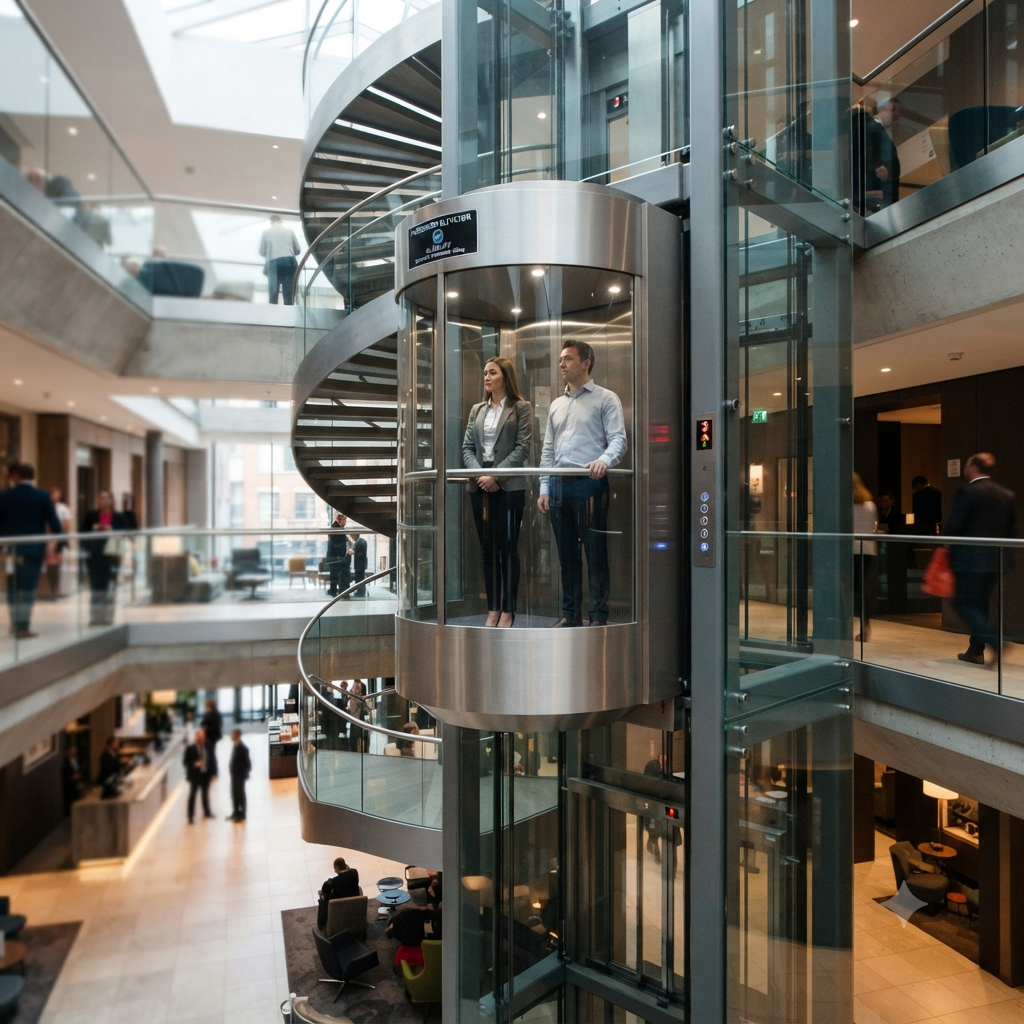
Think about the last time you entered a modern building. You may have noticed the elegant interiors, impressive lighting, stylish furniture, or breathtaking architecture. But there is one feature that quietly connects every floor and keeps the entire building moving—the elevator.
In today’s fast-growing cities, elevators are no longer considered a luxury. They have become an essential part of modern infrastructure. From residential towers and business centers to hotels, hospitals, malls, and airports, a reliable passenger elevator makes everyday movement faster, easier, and more accessible.
But modern architecture is demanding something more than basic functionality.
Buildings today are designed to create experiences. This growing trend has brought the glass lift into the spotlight. Combining advanced engineering with eye-catching design, glass elevators can transform a simple journey between floors into an unforgettable visual experience.
As architecture moves toward smarter and more sustainable solutions, the combination of performance and design is shaping the next generation of vertical transportation.
The Elevator Has Become Part of the Building’s Identity
For decades, elevators were mainly viewed as practical machines. Their job was simple: carry people up and down.
That perception has changed.
Today, elevators are increasingly integrated into the architectural concept of a building. Their cabin design, lighting, materials, controls, and overall appearance can influence the atmosphere of an entire property.
A modern passenger elevator can offer a combination of:
- Smooth and comfortable movement
- Fast floor-to-floor transportation
- Intelligent control technology
- Advanced safety systems
- Energy-efficient operation
- Customizable cabin interiors
- Accessibility for all users
Meanwhile, a glass lift adds another dimension by making the elevator itself part of the visual experience.
What Makes a Passenger Elevator So Important?
A passenger elevator is designed to transport people safely and efficiently between different levels of a building.
While the basic purpose may seem simple, modern elevator systems involve sophisticated mechanical, electrical, and digital technologies working together.
Depending on the project, a passenger elevator may feature:
- Automatic opening and closing doors
- Overload protection
- Emergency braking systems
- Precision floor leveling
- Door obstruction sensors
- Emergency alarms
- Backup power systems
- Automatic rescue devices
- Intelligent destination control
- Remote monitoring technology
The right elevator system can make a major difference in buildings with heavy foot traffic. In offices, for example, efficient elevator management can reduce waiting times during busy mornings. In residential buildings, smooth operation improves everyday convenience. In hospitals, reliability and accessibility become even more critical.
Why Glass Lifts Are Changing the Look of Buildings
Now imagine stepping into an elevator and seeing the building’s atrium, landscaped garden, shopping area, or city skyline through transparent glass.
That is the experience a glass lift can offer.
Unlike conventional enclosed elevators, glass lifts are designed to provide greater visibility. Depending on their location and configuration, they can offer panoramic views of the surrounding environment or showcase the interior architecture of a building.
This makes them particularly attractive for projects where appearance matters as much as functionality.
A glass lift can create a striking impression in:
- Luxury hotels
- Shopping centers
- Corporate headquarters
- Premium residential developments
- Resorts
- Airports
- Museums
- Convention centers
- Restaurants
- Entertainment complexes
Instead of being hidden away, the elevator becomes a visible architectural feature.
Passenger Elevator or Glass Lift: Which One Should You Choose?
The answer depends on the project’s objectives.
If your primary focus is reliable and efficient transportation, a standard passenger elevator may be the ideal solution.
If you want to combine passenger transportation with a distinctive architectural statement, a glass lift could be a better choice.
In reality, these two concepts are not mutually exclusive. A glass lift can also be a passenger elevator. The key difference is that “passenger elevator” refers to the function, while “glass lift” generally refers to the design.
The selection should be based on factors such as:
Building purpose: Residential, commercial, hospitality, healthcare, or retail.
Passenger traffic: How many people will use the elevator each day?
Building height: The number of floors and travel distance influence the technology required.
Available space: Shaft size and structural conditions must be evaluated.
Design vision: Modern projects may benefit from a visually distinctive glass elevator.
Budget: Initial investment and long-term operating costs should both be considered.
Maintenance: Availability of professional service and spare parts is essential.
The Growing Role of Elevators in Residential Projects
Modern residential buildings are becoming taller, smarter, and more design-focused.
In apartment towers and luxury residences, a passenger elevator is essential for daily mobility. Residents expect elevators that are comfortable, quiet, safe, and dependable.
Luxury developments are also increasingly using premium elevator interiors featuring:
- Stainless steel finishes
- Decorative glass
- Touch controls
- Ambient lighting
- Customized flooring
- Digital displays
- Smart access systems
For premium residential projects, a glass lift can add a unique visual element to lobbies, atriums, and internal spaces.
It can also create a stronger sense of openness and modernity.
Elevators in Hotels: More Than Just Transportation
For a hotel guest, the experience begins long before reaching the room.
The entrance, reception area, lighting, interiors, and even the elevator contribute to the overall impression of the property.
This is why many modern hospitality projects pay special attention to elevator design.
A stylish glass lift can create a dramatic visual experience in a hotel atrium. Guests can enjoy views of the property while moving between floors, while the elevator itself becomes part of the hotel’s architectural identity.
In this environment, the elevator is no longer just transportation.
It becomes part of the guest experience.
The Business Advantage of Modern Passenger Elevators
A well-designed elevator system can also provide practical benefits for property owners and businesses.
Better Accessibility
Elevators make multi-level buildings easier to access for people of different ages and mobility levels.
Improved Traffic Flow
Efficient elevator systems help manage large numbers of passengers in busy buildings.
Enhanced Property Appeal
Modern elevator designs can contribute to a premium and contemporary appearance.
Increased Convenience
Fast and comfortable vertical transportation improves the overall user experience.
Greater Design Flexibility
Architects can integrate elevators into the building’s design instead of treating them as an afterthought.
Long-Term Efficiency
Modern technologies can help reduce energy consumption and improve operational performance.
Safety Comes Before Style
A beautiful glass lift may attract attention, but safety remains the most important consideration.
Elevators should be designed, installed, tested, and maintained by qualified professionals. The system should include appropriate safety features and comply with relevant local regulations and standards.
Important safety considerations include:
- Emergency braking
- Door locking mechanisms
- Overload detection
- Safety sensors
- Emergency communication
- Backup power
- Automatic rescue systems
- Accurate floor leveling
- Regular inspection and maintenance
For glass elevators, the structural design and quality of the glass components require particular attention.
The combination of attractive design and professional engineering is what makes a modern glass elevator both impressive and dependable.
Smart Technology Is Taking Elevators to the Next Level
The future of the passenger elevator is becoming increasingly intelligent.
As smart buildings continue to develop, elevators are being connected with advanced digital systems that can monitor usage, analyze traffic, and improve operational efficiency.
Emerging technologies include:
- Touchless elevator controls
- Mobile-based access
- AI-powered traffic management
- Destination dispatch systems
- Remote monitoring
- Predictive maintenance
- Energy-saving drives
- Smart building integration
These technologies can help reduce waiting times, improve energy efficiency, and provide building managers with valuable operational information.
The next generation of elevators will be more connected, more efficient, and more responsive to passenger needs.
The Glass Lift: A Design Statement for the Future
Architecture is increasingly focused on transparency, natural light, openness, and visual connection.
This trend makes the glass lift an attractive solution for modern buildings.
A transparent elevator can visually connect different parts of a building while creating a sense of movement and openness. In large atriums, it can become a focal point. In commercial properties, it can enhance the visitor experience. In luxury developments, it can contribute to a premium identity.
The result is a combination of:
Technology + Safety + Design + Experience
That combination explains why glass elevators continue to attract attention from architects, developers, and property owners.
How to Select the Right Elevator Partner
Choosing an elevator is a long-term decision. The quality of installation, engineering, maintenance, and after-sales support can have a significant impact on performance.
Before selecting an elevator company, consider:
- Experience in the industry
- Technical expertise
- Product quality
- Customization capabilities
- Installation experience
- Safety compliance
- Maintenance services
- Availability of spare parts
- Response time for service
- Previous project experience
A reliable elevator partner should understand the complete lifecycle of the system—from initial planning and design to installation, testing, maintenance, and modernization.
Frequently Asked Questions
What is a passenger elevator?
A passenger elevator is a vertical transportation system designed to move people safely and comfortably between floors.
What is a glass lift?
A glass lift is an elevator featuring glass panels or a transparent cabin that provides visibility and creates a contemporary architectural appearance.
Can a glass lift be used as a passenger elevator?
Yes. A glass lift can be designed specifically for passenger transportation and can serve the same basic purpose as a conventional passenger elevator.
Why are glass lifts popular in modern buildings?
Their combination of functionality and visual appeal makes them popular in hotels, malls, offices, luxury residences, and other design-focused properties.
Are glass lifts safe?
When properly engineered, manufactured, installed, and maintained, glass lifts can provide safe and reliable passenger transportation.
Where are passenger elevators commonly installed?
They are used in residential buildings, offices, hotels, hospitals, shopping malls, airports, commercial complexes, and many other multi-story structures.
Can passenger elevators be customized?
Yes. Cabin size, capacity, speed, interior finishes, control systems, lighting, and other features can often be customized according to project requirements.
Does a glass lift require more maintenance?
Maintenance requirements depend on the specific elevator design and usage. Regular professional servicing is important for both conventional and glass elevators.
Are modern elevators energy efficient?
Many modern elevator systems use energy-efficient motors, drives, LED lighting, and intelligent control technologies to reduce energy consumption.
How can I choose the best elevator for my building?
Consider the building’s height, passenger traffic, available space, design requirements, safety needs, budget, energy efficiency, and long-term maintenance support.
https://shopnets.com/why-a-dumbwaiter-lift-could-be-the-missing-piece-in-your-multi-storey-building/
https://newsgrow.blogspot.com/2026/07/dumbwaiter-lift-vs-passenger-lift-small.html
https://newsgrow.blogspot.com/2026/07/passenger-elevator-and-glass-lift.html