
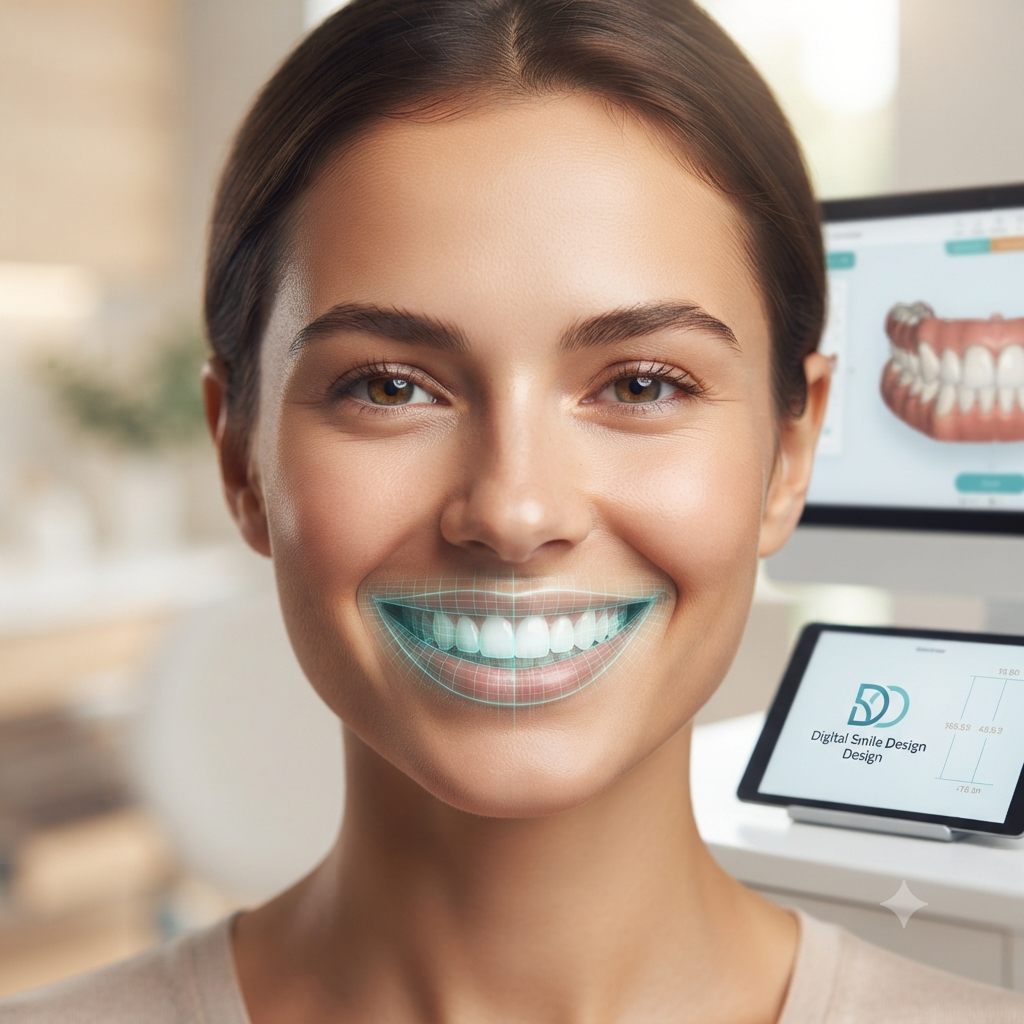
Cosmetic dentistry is becoming increasingly personalized, and digital smile design is helping patients understand their potential results before treatment begins. By combining digital photography, facial analysis, dental scans, and advanced planning software, dentists can create a detailed vision of a patient’s future smile.
Rather than relying only on traditional impressions and verbal explanations, this technology allows dental professionals and patients to communicate more clearly about aesthetics, proportions, and treatment expectations.
What Is Digital Smile Design?
Digital smile design is a technology-driven approach used to analyze and plan cosmetic dental treatments. It considers not only the teeth but also facial characteristics, lip movement, gum display, and overall facial harmony.
The process may support treatments such as:
- Dental veneers
- Ceramic crowns
- Teeth whitening
- Orthodontic treatment
- Dental bonding
- Smile makeovers
How Does the Process Work?
A typical digital smile planning process may include:
- Digital Assessment: Photographs, videos, and dental scans are collected.
- Smile Analysis: Tooth shape, symmetry, gum line, and facial proportions are evaluated.
- Treatment Planning: Digital software helps develop a personalized smile concept.
- Patient Consultation: The proposed design is discussed and adjusted according to patient preferences.
- Clinical Treatment: The approved plan guides the dentist during the selected procedure.
Why Is It Becoming Popular?
The major advantage is improved communication. Patients can better understand what their treatment may aim to achieve, while dentists can develop a more structured cosmetic treatment strategy.
| Traditional Planning | Digital Smile Planning |
| Primarily physical records | Digital photographs and scans |
| Limited visual previews | More detailed digital visualization |
| Communication may be less visual | Easier patient-doctor collaboration |
| Manual planning methods | Technology-assisted planning |
Benefits and Considerations
Potential benefits include:
- Personalized treatment planning
- Better patient communication
- Improved visualization
- Greater focus on facial harmony
- More predictable workflow
However, digital planning is not a guarantee of an identical final result. Clinical factors, healing, materials, and individual anatomy can influence outcomes.
FAQ
1. Is digital smile design suitable for everyone?
It can support many cosmetic dental cases, but suitability depends on individual oral health and treatment needs.
2. Does it replace the dentist’s examination?
No. A complete clinical assessment remains essential.
3. Can I see my proposed smile?
Depending on the clinic’s technology, patients may receive digital visualizations or previews.
4. Is it used for veneers?
Yes, it can help plan veneer-based smile transformations.
5. Can it help with orthodontic treatment?
Digital planning may complement certain orthodontic treatment strategies.
6. Is the process painful?
The digital planning stage itself is generally non-invasive.
7. How long does planning take?
The timeline varies depending on the complexity of the case and technology used.
8. Does digital planning guarantee results?
No. It is a planning and communication tool, not a guarantee.
9. Is it expensive?
Costs vary between clinics and depend on the technology and treatment required.
10. How should I choose a provider?
Look for qualified dental professionals with relevant cosmetic dentistry experience and appropriate technology.