
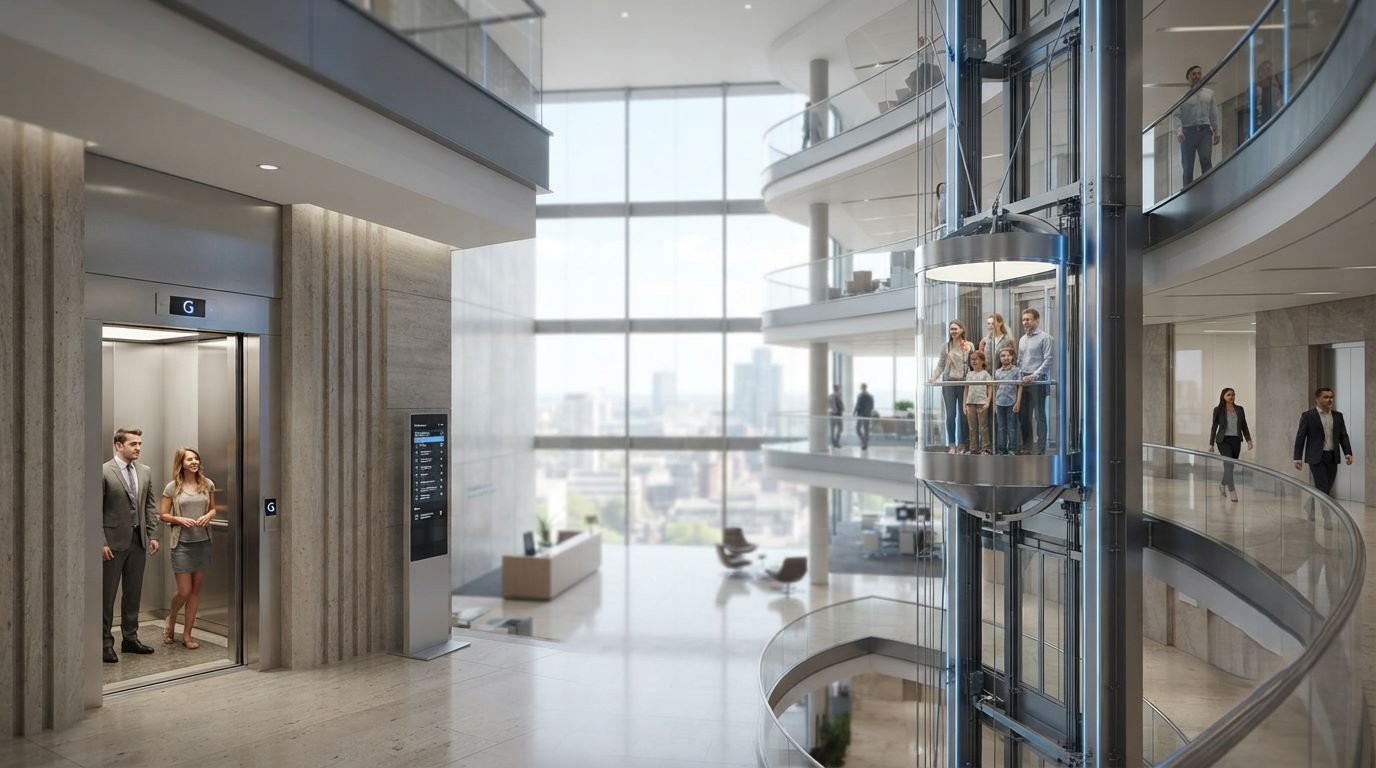
The elevator industry is undergoing a notable transformation as modern construction increasingly demands smarter, safer, energy-conscious and visually appealing vertical transportation. The passenger elevator continues to serve as essential infrastructure for multi-storey buildings, while the glass lift is attracting growing interest among architects and developers seeking to make vertical transportation part of the building’s design.
From conventional mechanical systems to connected digital equipment, the elevator sector has progressed significantly. The latest direction combines engineering performance with architectural creativity and long-term operational efficiency.
Rising Demand for Modern Passenger Elevators
The expansion of residential towers, commercial complexes, hotels, hospitals and mixed-use developments continues to make the passenger elevator an important building requirement.
Modern buildings have different transportation needs depending on height, occupancy, traffic volume and usage patterns. As a result, elevator selection is increasingly based on a combination of capacity, speed, accessibility, ride comfort, safety and energy performance.
The modern elevator is expected to deliver:
- Smooth passenger movement
- Reliable floor-to-floor transportation
- Efficient door operation
- Accessibility
- Emergency functionality
- Low-noise performance
- Long-term serviceability
This broader approach is changing how developers evaluate elevator systems during the planning stage.
Glass Lift Emerges as a Design-Focused Solution
The glass lift is gaining recognition for bringing together transportation and architectural presentation. Transparent cabins and glazed shafts can provide passengers with a more open visual experience while allowing the elevator to become a prominent feature within a building.
The design is increasingly considered for:
- Luxury residential developments
- Hotels
- Shopping centers
- Corporate offices
- Showrooms
- Atriums
- Modern public buildings
For architecture-led projects, the elevator can become part of the building’s visual identity rather than remaining hidden behind conventional walls.
Safety Remains the Leading Industry Requirement
As elevator designs become more sophisticated, safety continues to define responsible development.
A modern passenger elevator can include multiple safety technologies designed to control movement and passenger access. These may include door interlocks, overspeed protection, emergency communication, emergency lighting, accurate leveling and controlled rescue functions.
Glass lift projects require additional engineering attention because transparent components must be appropriately selected, supported and maintained.
Important considerations can include:
- Suitable safety glazing.
- Secure structural connections.
- Impact resistance.
- Door protection.
- Maintenance access.
- Visibility and lighting.
- Applicable local requirements.
Professional engineering, installation and inspection remain essential regardless of the elevator’s appearance or level of automation.
Digital Controls Transform Elevator Operations
The elevator sector is increasingly embracing connected technology. Smart controllers and monitoring systems are helping operators obtain more information about elevator activity.
Destination-control systems can organize passengers traveling to similar floors, potentially improving traffic management in busy buildings. Remote monitoring can also provide information about equipment status and operating conditions.
Key Technologies Reshaping Elevators
The industry is increasingly focused on:
- Destination dispatch
- Remote monitoring
- Predictive maintenance
- Smart access control
- Touchless operation
- Energy-efficient drives
- Regenerative systems
- Building-management integration
These capabilities are helping turn the passenger elevator into an intelligent part of building infrastructure.
Energy Performance Moves Higher on the Agenda
Energy efficiency is becoming increasingly important as building owners focus on operating costs and sustainability.
Modern elevator systems can use efficient motors, variable-frequency drives, standby modes and regenerative technologies. Depending on building conditions and usage, these features may help reduce unnecessary energy consumption.
Industry professionals emphasize that energy performance should be considered over the entire lifecycle. Passenger volume, travel distance, usage frequency, equipment selection and maintenance all influence actual operating performance.
Predictive Maintenance Gains Industry Attention
Elevator maintenance is also changing as connected technologies provide greater access to equipment data.
Predictive maintenance uses information about operating conditions to help identify unusual behavior and support proactive servicing. Rather than relying only on fixed maintenance schedules, service teams can use additional equipment information when planning inspections and repairs.
Potential benefits include:
- Better maintenance planning
- Improved equipment visibility
- Reduced unexpected downtime
- Faster identification of potential issues
- More effective asset management
However, digital monitoring does not replace professional inspection or scheduled servicing. It works as an additional tool for qualified maintenance teams.
Glass Lifts Transform Passenger Experience
The popularity of the glass lift reflects the growing importance of experience in modern architecture.
A panoramic elevator can offer views through an atrium, connect visually separated floors or create a memorable feature in a hotel lobby. In luxury residential projects, it can serve as a central design element.
The visual advantages are significant, but project teams must also consider privacy, sunlight, glare, thermal comfort, cleaning, durability and maintenance.
The most effective glass lift installations therefore combine aesthetics with practical engineering.
Future Outlook for Passenger Elevator Technology
The future of the passenger elevator is expected to focus on intelligent automation and greater connectivity.
Sensors and analytics may provide deeper information about equipment behavior, helping support predictive maintenance. Elevators may also communicate with access-control systems, security infrastructure and building-management platforms.
Accessibility will remain an important consideration as designers seek to create systems that are easier to use for passengers with different mobility and sensory requirements.
Future Possibilities for Glass Lift Design
The next generation of the glass lift could combine advanced glazing with smart lighting, digital displays, touchless controls and customized passenger interfaces.
Architectural integration is likely to become increasingly important. Rather than treating the elevator as separate mechanical equipment, designers may incorporate it into the building’s overall visual and digital ecosystem.
Industry Priorities for New Elevator Projects
For developers and building owners, choosing an elevator requires careful consideration of both present needs and future performance.
Project teams should review:
- Building height.
- Passenger traffic.
- Capacity requirements.
- Travel speed.
- Accessibility.
- Shaft dimensions.
- Safety requirements.
- Energy performance.
- Maintenance support.
- Lifecycle costs.
Early communication between architects, engineers and elevator specialists can improve planning and reduce potential installation challenges.
Frequently Asked Questions
What is a passenger elevator?
A passenger elevator is a powered vertical transportation system designed mainly to transport people between different building levels.
What is a glass lift?
A glass lift is an elevator with transparent or substantially glazed components that provide visibility and a panoramic experience.
Is a glass lift considered a passenger elevator?
It can be. If its primary purpose is transporting people, a glass lift can function as a passenger elevator.
Where are glass lifts most commonly used?
They are frequently considered for hotels, shopping malls, luxury residences, offices, showrooms and atriums.
What makes modern passenger elevators different?
Modern systems increasingly combine advanced controls, safety features, energy-saving technologies and digital monitoring.
Are glass lifts suitable for residential buildings?
Yes. They can be designed for suitable homes and residential developments when structural and safety requirements are addressed.
Can elevators reduce energy consumption?
Energy-efficient motors, drives, standby modes and regenerative technologies can support improved energy performance.
Why is elevator maintenance important?
Regular maintenance helps support safety, reliability, ride quality and long-term equipment performance.
What does predictive maintenance mean?
It refers to using equipment data and monitoring information to help identify potential problems and plan maintenance proactively.
What will future glass lifts look like?
Future designs may combine advanced glazing, smart lighting, digital displays, touchless controls and stronger integration with smart-building systems.
https://newsgrow.blogspot.com/2026/08/dumbwaiter-lift-vs-passenger-lift-which.html