
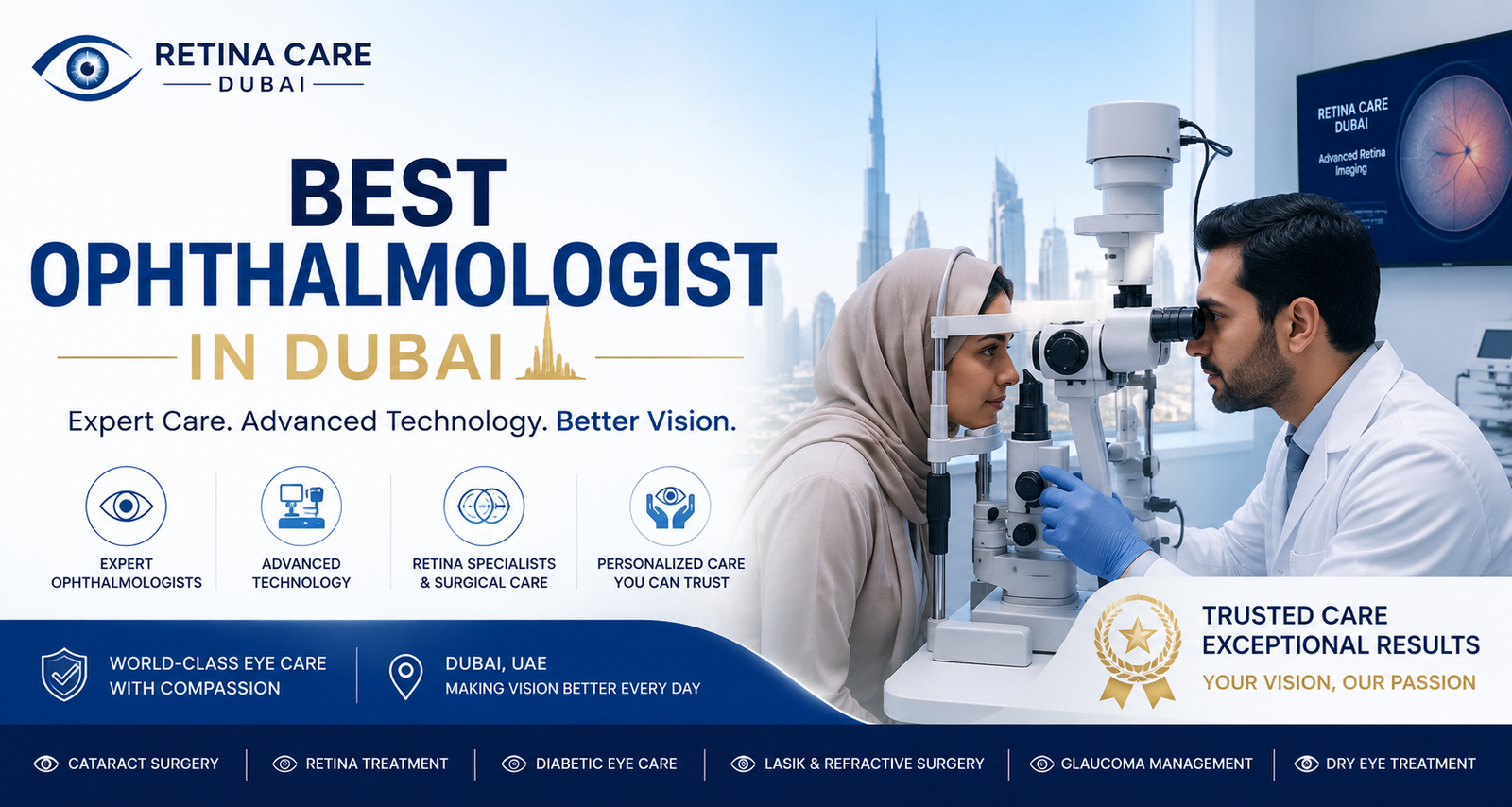
Clear vision is essential for maintaining independence, comfort, and quality of life. Whether someone is experiencing blurred vision, eye strain, cataracts, or symptoms of a retinal condition, choosing the right eye specialist is an important step toward protecting long-term eye health. For many residents and expatriates, finding the best Indian ophthalmologist in Dubai can be a priority because they may prefer communicating in a familiar language and understanding their treatment options clearly.
Dubai offers access to modern eye care facilities, advanced diagnostic equipment, and specialists who treat a wide range of ophthalmic conditions. However, selecting an ophthalmologist should involve more than nationality or convenience. A doctor’s qualifications, clinical experience, area of specialization, and approach to patient care are all important considerations.
Why Choose an Indian Ophthalmologist in Dubai?
Many patients look for an Indian eye specialist in Dubai because effective communication helps them feel comfortable throughout the treatment process. Discussing symptoms, medical history, diagnosis, and treatment choices in a familiar language can make consultations easier to understand.
Other reasons patients may consider an Indian ophthalmologist include:
- Clear communication: The ability to explain eye conditions and treatment options in a language the patient understands.
- Relevant clinical experience: Experience in diagnosing and managing common and complex eye conditions.
- Personalized attention: A patient-focused approach that considers individual concerns and medical history.
- Access to modern diagnostics: Appropriate testing to identify eye problems and guide treatment decisions.
- Continuity of care: Follow-up appointments to monitor recovery and manage long-term eye health.
Patients should always verify a specialist’s credentials, licensing, and relevant clinical experience before making a decision.
What Conditions Does an Ophthalmologist Treat?
An ophthalmologist is a medical doctor trained to diagnose and manage eye diseases and perform eye surgery when required. Unlike a routine vision screening alone, a comprehensive ophthalmic assessment can help identify conditions that may affect the cornea, lens, retina, optic nerve, and other parts of the eye.
Common conditions treated by ophthalmologists include:
1. Cataracts
A cataract develops when the natural lens of the eye becomes cloudy, potentially causing blurred vision, glare, difficulty seeing at night, and faded colours. When cataracts begin interfering with daily activities, an ophthalmologist may recommend cataract surgery. The decision depends on the severity of symptoms, examination findings, and the patient’s visual needs.
2. Retinal Diseases
The retina is the light-sensitive tissue at the back of the eye that helps transmit visual information to the brain. Retinal conditions can include diabetic retinopathy, retinal tears, retinal detachment, and age-related macular degeneration.
Early diagnosis is particularly important because some retinal diseases can progress without obvious symptoms in their initial stages. A retinal specialist may recommend retinal imaging, injections, laser treatment, or surgery depending on the condition.
3. Glaucoma
Glaucoma refers to a group of eye diseases that can damage the optic nerve and cause irreversible vision loss. Regular eye examinations, eye pressure measurements, optic nerve assessment, and visual field testing can help detect and monitor the condition.
Although glaucoma cannot always be prevented, early treatment may help slow its progression and preserve useful vision.
4. Diabetic Eye Disease
People living with diabetes may develop damage to the blood vessels in the retina. This can lead to diabetic retinopathy, diabetic macular edema, and other vision-threatening complications.
Routine diabetic eye examinations are essential even when vision appears normal. Depending on the findings, treatment may involve monitoring, medication injections, laser therapy, or surgery.
5. Corneal and Refractive Conditions
Ophthalmologists also evaluate problems affecting the cornea and other structures involved in focusing light. Depending on their training and specialization, they may provide treatment for corneal disorders, refractive errors, and certain complications affecting the eye’s surface.
How to Choose the Best Indian Ophthalmologist in Dubai
Finding the right eye specialist requires careful consideration of your symptoms, treatment needs, and expectations. The following steps can help you make a more informed choice.
Check Qualifications and Licensing
Confirm that the ophthalmologist holds appropriate medical qualifications and a valid professional licence to practise in Dubai. You can check relevant professional information through the applicable UAE health authority or official provider directory.
Consider the Doctor’s Specialization
Different ophthalmologists focus on different areas of eye care. For example, someone requiring cataract surgery may benefit from consulting a cataract surgeon, while a patient with diabetic retinopathy may need a retinal specialist.
Choosing a doctor with relevant experience in your particular condition can help ensure that your assessment and treatment are appropriate.
Review Diagnostic and Treatment Facilities
Modern ophthalmic care may involve optical coherence tomography (OCT), retinal photography, visual field testing, corneal imaging, or other specialized investigations. The tests required will depend on your symptoms and clinical examination.
Ask whether the clinic can provide the investigations and follow-up care appropriate for your condition.
Understand Treatment Options
A good consultation should explain the diagnosis, expected benefits, potential risks, available alternatives, and likely follow-up requirements. Patients should feel comfortable asking questions and requesting clarification before agreeing to a procedure.
Evaluate Accessibility and Follow-Up Care
Consider the clinic’s location, appointment availability, insurance arrangements, and accessibility for follow-up visits. These practical factors are particularly important for patients who need ongoing monitoring or treatment over several months.
Why Retinal Expertise Matters in Advanced Eye Care
Retinal diseases require careful assessment because they can affect central vision, peripheral vision, or both. Some conditions progress gradually, while others can cause sudden and serious visual changes.
A retinal evaluation may include a dilated eye examination, retinal imaging, OCT scans, and additional investigations when clinically indicated. These tests help the specialist assess the retina and determine whether observation, medication, laser treatment, or surgery may be appropriate.
For example, a patient with diabetes may have no noticeable vision changes despite early retinal damage. A comprehensive eye examination can identify abnormalities before significant symptoms develop, allowing the doctor to discuss appropriate management and monitoring.
Patients should not wait for a routine appointment if they suddenly experience flashes of light, a sudden increase in floaters, a dark curtain across their vision, or sudden vision loss. These symptoms may indicate an urgent eye problem and require immediate medical assessment.
What to Expect During an Eye Consultation
A comprehensive eye consultation usually begins with a discussion of symptoms, medical history, current medications, previous eye procedures, and relevant family history.
The ophthalmologist may then assess visual acuity, examine the front and back of the eye, measure eye pressure when appropriate, and recommend additional tests based on the findings.
After the examination, the doctor should explain the results and discuss the next steps. These may include prescription glasses, medication, lifestyle guidance, further investigations, surgery, or regular monitoring.
Patients can prepare for their appointment by bringing previous eye reports, a list of medications, details of existing medical conditions, and questions about their symptoms or treatment options.
How RetinaCareDubai Supports Informed Eye Care Decisions
When researching eye care services, patients should look for reliable information about available treatments, specialist expertise, diagnostic procedures, and the importance of early detection. Educational resources can help individuals understand their symptoms and prepare meaningful questions for an ophthalmologist.
However, online information should complement rather than replace a professional eye examination. The most appropriate treatment depends on the patient’s diagnosis, medical history, examination findings, and individual visual needs.
Before selecting a clinic, patients should confirm the specialist’s qualifications, the services offered, and whether the facility is equipped to manage their specific eye condition.
Frequently Asked Questions
Who is the best Indian ophthalmologist in Dubai?
The right ophthalmologist depends on the patient’s eye condition, the doctor’s qualifications, relevant clinical experience, and treatment requirements. Patients should verify professional licensing and select a specialist whose expertise matches their needs rather than relying on nationality or online rankings alone.
How do I choose an Indian eye specialist in Dubai?
Check the doctor’s qualifications, professional licence, specialization, experience with your condition, available diagnostic facilities, patient communication, and follow-up arrangements. A consultation can help you determine whether the specialist is suitable for your needs.
When should I visit an ophthalmologist?
Arrange an eye examination if you experience persistent blurred vision, eye discomfort, difficulty seeing at night, or other changes in vision. Routine examinations are also important for people with diabetes, glaucoma risk factors, or a family history of certain eye diseases.
Is a retinal specialist different from a general ophthalmologist?
Yes. A retinal specialist is an ophthalmologist with additional specialized training in diseases affecting the retina and vitreous. Patients with diabetic retinopathy, retinal tears, retinal detachment, or certain macular conditions may require this expertise.
Can regular eye examinations prevent vision loss?
Regular examinations cannot prevent every eye disease, but they can help identify many conditions early. Timely diagnosis and appropriate treatment may reduce the risk of severe vision loss, particularly in conditions such as glaucoma and diabetic retinopathy.