The biotechnology sector is witnessing remarkable growth as researchers, pharmaceutical companies, and diagnostic laboratories increasingly invest in advanced molecular technologies. Among the fastest-growing areas are oligo synthesis services and gene synthesis services, which have become essential for accelerating scientific discoveries, drug development, precision medicine, agricultural research, and synthetic biology.
As global demand for customized DNA solutions continues to rise, these services are helping researchers reduce development timelines while improving the accuracy and efficiency of laboratory workflows. Advances in DNA synthesis technology, automation, and quality control are enabling scientists to develop innovative solutions for complex biological challenges.
Understanding Oligo Synthesis Services
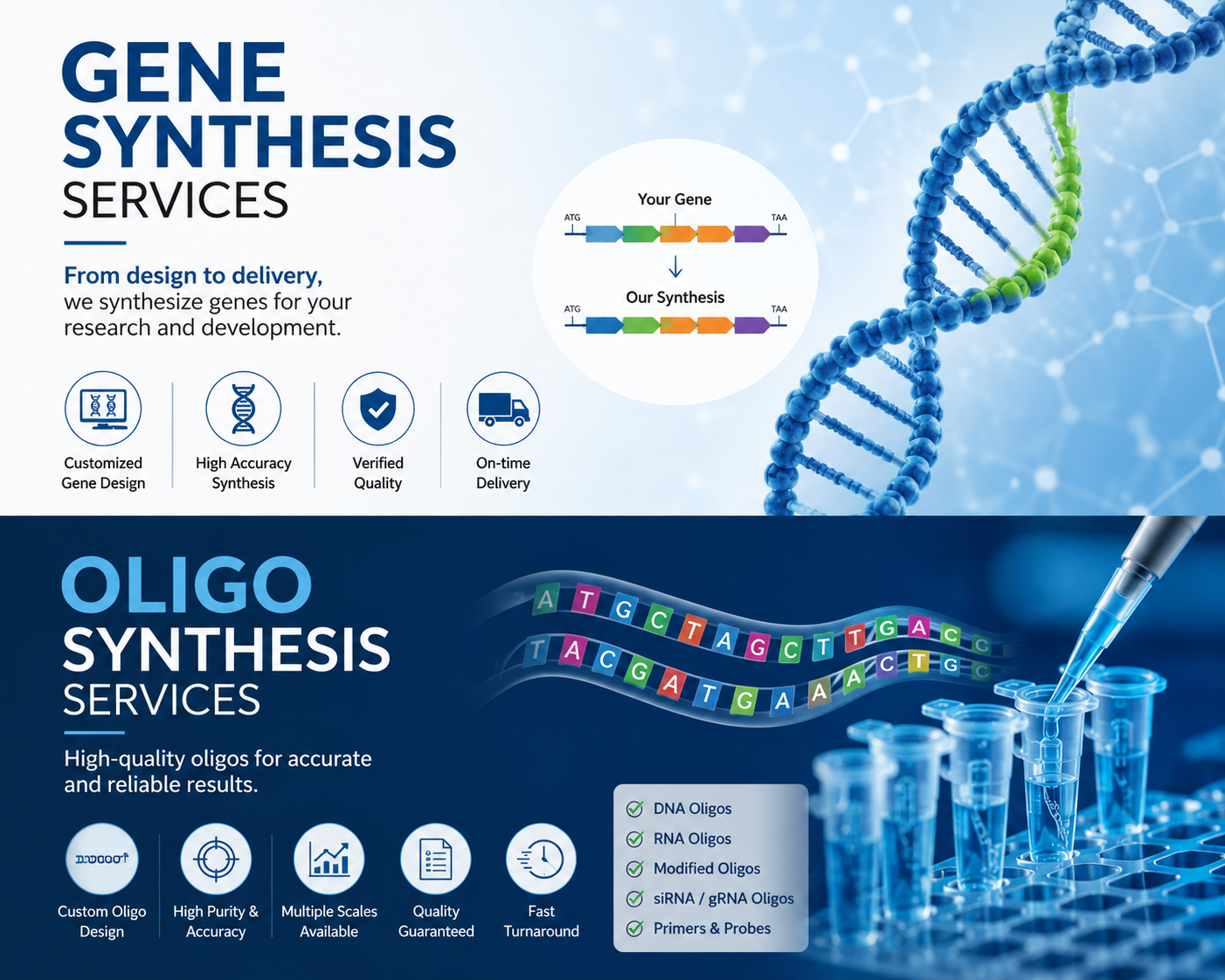
Oligo synthesis services involve the custom manufacturing of short DNA or RNA sequences, commonly known as oligonucleotides. These synthetic molecules play a critical role in molecular biology, genomics, diagnostics, and life science research.
Researchers order customized oligonucleotides based on specific experimental requirements, allowing laboratories to conduct highly accurate genetic analysis and molecular testing.
Common Applications
- Polymerase Chain Reaction (PCR)
- DNA sequencing
- Gene editing research
- Molecular diagnostics
- CRISPR experiments
- Genetic mutation analysis
- Forensic science
- Academic research
Major Advantages
- High sequence accuracy
- Fast production timelines
- Custom sequence design
- Scalable manufacturing
- Reliable laboratory performance
- Supports advanced genetic research
Role of Gene Synthesis Services in Modern Biotechnology
Gene synthesis services involve the artificial creation of complete DNA sequences without requiring a natural DNA template. Scientists can design genes digitally before they are chemically synthesized in specialized laboratories.
This technology enables researchers to study gene functions, engineer proteins, develop vaccines, and create innovative therapeutic solutions with greater precision than traditional cloning techniques.
Primary Applications
- Vaccine development
- Protein engineering
- Synthetic biology
- Agricultural biotechnology
- Pharmaceutical research
- Cell and gene therapy
- Functional genomics
- Industrial biotechnology
Why the Demand Continues to Rise
Increasing investments in biotechnology and life sciences are driving widespread adoption of oligo synthesis services and gene synthesis services across multiple industries.
Key Growth Drivers
- Expansion of precision medicine
- Growing genomics research
- Rising demand for molecular diagnostics
- Advances in personalized healthcare
- Increased pharmaceutical R&D investment
- Rapid development of gene editing technologies
- Growing biotechnology startup ecosystem
Oligo Synthesis Services vs Gene Synthesis Services
| Feature | Oligo Synthesis Services | Gene Synthesis Services |
| Product Length | Short DNA/RNA fragments | Complete genes |
| Primary Use | PCR, sequencing, diagnostics | Protein expression, cloning, research |
| Customization | High | Very High |
| Complexity | Lower | Higher |
| Turnaround Time | Faster | Longer depending on sequence |
| Applications | Molecular biology | Synthetic biology and biotechnology |
Industries Benefiting from These Technologies
Numerous industries rely on oligo synthesis services and gene synthesis services for research, innovation, and product development.
Major Industry Applications
- Biotechnology companies
- Pharmaceutical manufacturers
- Academic institutions
- Clinical diagnostic laboratories
- Agricultural biotechnology firms
- Environmental research organizations
- Veterinary diagnostics
- Food safety laboratories
How the DNA Synthesis Process Works
Modern DNA synthesis combines advanced automation with rigorous quality control.
Typical Workflow
- Sequence design
- Bioinformatics verification
- Chemical DNA synthesis
- Sequence assembly
- Quality testing
- Purification
- Final validation
- Delivery to research laboratories
Key Factors When Selecting a Service Provider
Choosing the right provider significantly influences research quality and project success.
Important Considerations
- High synthesis accuracy
- Comprehensive quality assurance
- Experienced scientific team
- Fast turnaround time
- Flexible customization options
- Regulatory compliance
- Technical customer support
- Competitive pricing
Latest Innovations Shaping the Industry
The biotechnology sector continues to adopt cutting-edge technologies that improve synthesis speed and reliability.
Emerging Trends
- AI-assisted gene design
- Automated DNA synthesis platforms
- High-throughput oligonucleotide production
- Improved sequence optimization software
- Cloud-based order management
- Sustainable laboratory manufacturing practices
- Enhanced quality control technologies
Benefits for Scientific Research
Modern oligo synthesis services and gene synthesis services help researchers achieve faster, more accurate experimental outcomes.
Research Advantages
- Reduced laboratory workload
- Improved reproducibility
- Greater experimental flexibility
- Faster project completion
- Support for advanced genomic studies
- Enhanced innovation in biotechnology
Frequently Asked Questions (FAQs)
1. What are oligo synthesis services?
They involve the custom production of short DNA or RNA sequences used in molecular biology and genetic research.
2. What are gene synthesis services?
These services create complete artificial DNA sequences based on digitally designed genetic information.
3. Who uses oligo synthesis services?
Researchers, universities, biotechnology companies, pharmaceutical organizations, and diagnostic laboratories.
4. Why are gene synthesis services important?
They enable precise genetic engineering, vaccine development, protein research, and synthetic biology applications.
5. What industries benefit the most?
Biotechnology, healthcare, pharmaceuticals, agriculture, diagnostics, and life science research.
6. Are synthesized genes accurate?
Yes. Modern laboratories use advanced quality control processes to ensure high sequence accuracy.
7. Can customized DNA sequences be ordered?
Yes. Most providers offer fully customized sequence design based on research requirements.
8. How long does gene synthesis take?
Delivery timelines depend on sequence complexity, length, and quality requirements.
9. What is the difference between oligo synthesis and gene synthesis?
Oligo synthesis produces short DNA or RNA fragments, while gene synthesis creates complete genes.
10. Why is quality control important in DNA synthesis?
Accurate sequences ensure reliable research results, reduce experimental errors, and improve scientific reproducibility.